Literary Contributions & Editorial Journey
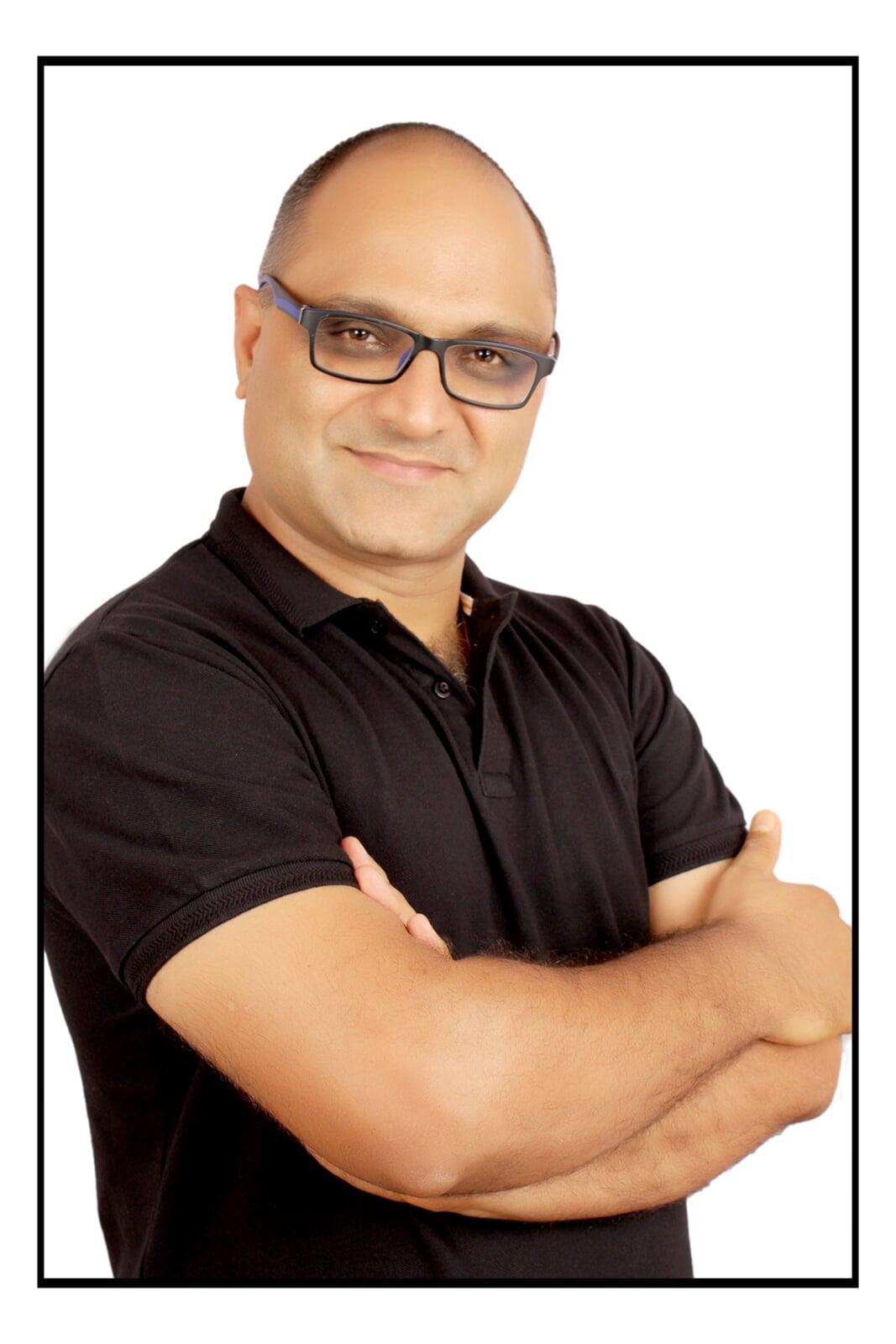
Chand K Raina (CeeKay)
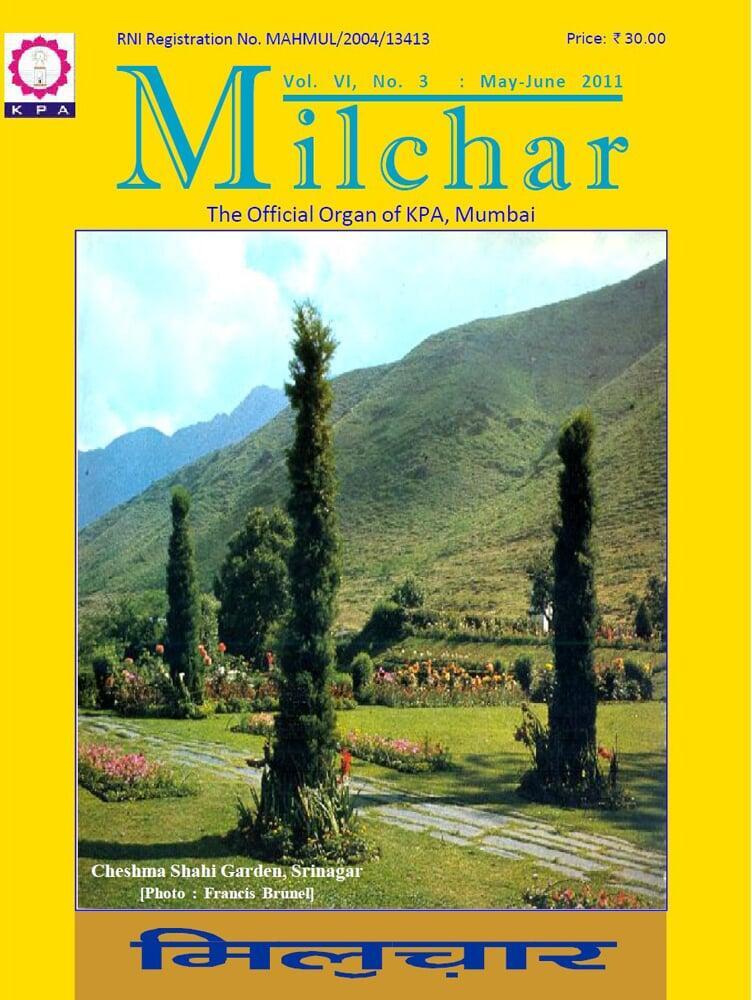
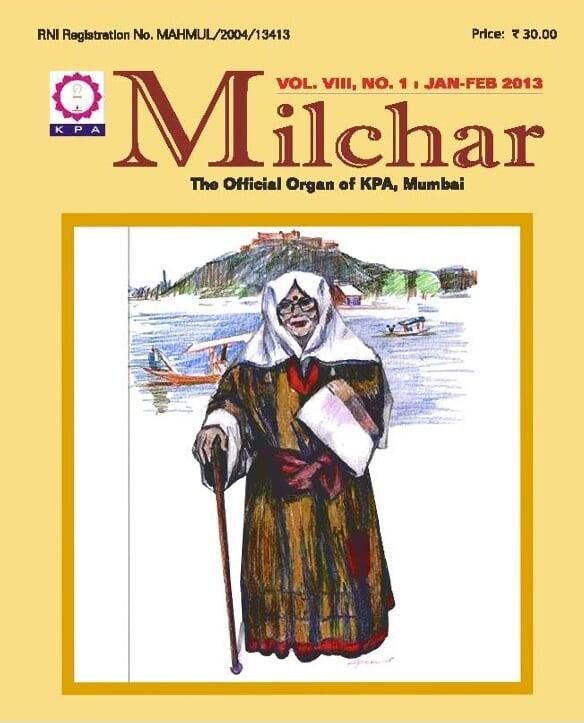
My editorial journey has been shaped by a deep commitment to giving voice to issues that matter. As Editor of Milchar, a KPA magazine in Mumbai, I led the editorial section with a focus on thoughtful, responsible storytelling. My writings have often highlighted the lived realities of Kashmiri Pandits, aiming to document their experiences with dignity and balance rather than rhetoric. Beyond social narratives, I have consistently supported education-led initiatives, driven by the belief that inclusive learning is the most sustainable path to collective progress. Through my work, I also offer guidance to students and young professionals on education choices, leadership development, and navigating professional life—bridging social awareness with practical insight and purpose-driven leadership.
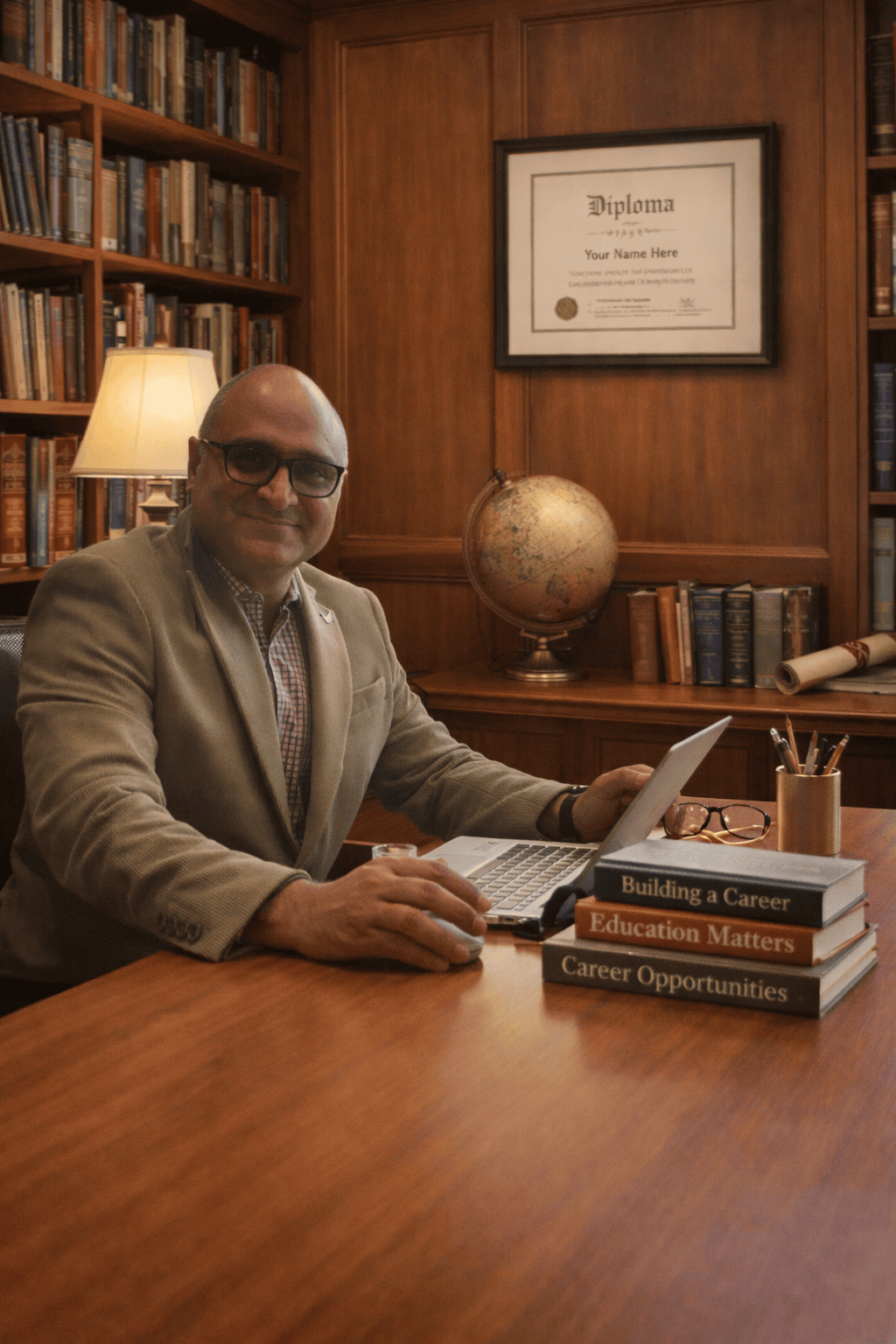
Chand K Raina (CK)
CK is an industry veteran and respected thought leader who believes education is the most reliable path to prosperity for individuals, families and communities. Through his “We All Prosper (WaP)” initiative, he has guided thousands of community children in choosing the right education streams, colleges, career paths and jobs, and continues to support members with education counselling and career selection via prior-appointment WhatsApp consultations at 9987006393 (send a WhatsApp message on this number to book a slot or to be added to his WhatsApp channel)
Entrance Exams, Opportunities, and Awareness: A Crucial Phase for Students and Parents After Grades 10 and 12
For Indian students, Classes 10 and 12 are gateways, not finish lines. The choices taken in these two years decide not only courses and colleges, but often the networks, exposure and careers that follow. For Kashmiri Migrant families, this journey also includes special quotas and reserved seats that can significantly improve access, provided families remain alert and organized.
For students and parents alike, the period immediately after Grade 10 and Grade 12 is one of the most decisive phases in an academic life. It is a phase filled with hope, anxiety, competition, deadlines, and irreversible decisions. Entrance examinations are not merely tests of academic knowledge; they are gateways to careers, exposure, confidence, and long-term professional direction.
The Two Critical Milestones: After Grade 10 and After Grade 12
As we enter another admission cycle, several entrance exams have already been applied for and conducted, while many others are ongoing or approaching deadlines. Exams such as CLAT, NID, NIFT, IIM-IPM, CUET, JEE, VITEEE, MIT-WPU, BITSAT, and many state-level and private university exams create a complex landscape that requires continuous alertness from parents and students. Missing one form, one date, or one opportunity can sometimes mean losing a full academic year—or a better future option.
There are actually two major decision points, and each has its own set of exams and opportunities.
- After Grade 10:
- Choice of stream (Science, Commerce, Arts, Vocational) and school or junior college.
- Competitive tests like NTSE (where applicable), Olympiads and state-level talent exams which give scholarships and strengthen profiles.
- Entrance exams to polytechnic diplomas, certain defence entries, Navodaya and Sainik-type schools, and other residential or specialised institutions that can shape discipline and academic culture.
- After Grade 12:
- The main gateway to professional degrees in engineering, medicine, law, design, management, hotel management, liberal arts, commerce and pure sciences.
- Entrance exams now extend beyond a few national tests to central (CUET), state-level and institute-specific exams like VITEEE, BITSAT, SET, NPAT and many others.
Parents often focus only on one or two “big” exams (like JEE or NEET), and ignore the full portfolio of options. This is a strategic mistake.
Through this article, to best of my knowledge, I want to provide a holistic, end-to-end view of:
- Major entrance exams after Grades 10 and 12
- The role parents must actively play
- The importance of competitive exam exposure
- Awareness of supernumerary seats for Kashmiri Migrants
- Exploring international education as a realistic and sometimes cost-effective option
Understanding the Entrance Exam Ecosystem After Grade 12
After Grade 12, students broadly enter one of the following streams:
- Engineering and Technology
- JEE Main and JEE Advanced for NITs, IIITs and IITs.
- Institute-specific exams such as VITEEE (VIT), BITSAT (BITS Pilani), and state-level engineering entrance tests for state universities.
- Private university tests like GECET or other common tests run by deemed universities.
- Medicine and Allied Health
- NEET-UG as the single national-level exam for MBBS, BDS and many AYUSH and veterinary courses across government and private colleges.
- Allied health sciences, nursing and paramedical programs through either NEET or institute/state-level tests depending on the university.
- Law
- CLAT for National Law Universities and many leading private universities.
- AILET for NLU Delhi and other independent law entrance exams run by individual institutions.
- Design, Architecture, Fashion
- NID DAT, UCEED and NIFT entrance tests for premier design and fashion institutes.
- NATA and JEE-based architecture options for B.Arch programmes.
- Commerce, Management, Liberal Arts and General Degrees
- CUET as a common gateway to central universities and many other institutions for BA, BSc, BCom, BBA and integrated programmes.
- University-level management and general degree tests like SET (Symbiosis), NPAT (NMIMS) and IPMAT-type exams for integrated management programmes
Wrong stream decisions often lead to stress, drop years, or forced career switches later.
The Role of Parents: From Passive Support to Active Participation
In today’s hyper-competitive environment, parents cannot afford to remain passive observers.
Parents must:
- Track application windows and exam calendars
- Ensure documentation readiness (certificates, domicile, category proof)
- Encourage multiple exam attempts—not “one-shot thinking”
- Guide students through choices without imposing careers
A simple shared Excel sheet or digital calendar listing:
- Exam names
- Application start/end dates
- Exam dates
- Counselling timelines
can prevent irreversible mistakes.
Practice Through Participation: Every Exam Matters
Parents often treat each exam as a “do-or-die” event. A healthier strategy is to treat many of these tests as learning laboratories. One critical message for students and parents is this:
Every competitive exam is practice for the next one.
Each entrance test exposes students to different patterns of questions, difficulty levels and time pressure, which are invaluable for building confidence for the main target exam. Even if the child is sure about one field (say medicine), appearing for allied exams builds stamina and removes fear. Even if the student does not crack a top college:
- They gain exam temperament
- Learn time management
- Reduce fear and anxiety
- Improve future performance
Insisting that children appear for multiple competitive exams—even as trial attempts—builds resilience and confidence.
Success is often not about intelligence alone, but about exposure and repetition.
Supernumerary & Reserved Seats for Kashmiri Pandits: A Missed Opportunity for Many
Across India, several universities and institutions offer renomination, supernumerary, or reserved seats for Kashmiri Pandit students. Unfortunately, many families remain unaware or miss deadlines due to lack of information. For the community, this means that every family must maintain a small “quota awareness” file: list of institutions offering such seats, eligibility documents (migration certificates, domicile, etc.), and annual updates from college websites. Ignorance here literally wastes an advantage that has been created after decades of struggle.
Parents must:
- Regularly check government notifications
- Track institutions offering KP-specific seats
- Stay connected with community associations
- Maintain updated certificates and documentation
These seats are meant to empower displaced communities, and not utilising them is a collective loss. Awareness here is not optional—it is a responsibility.
Beyond India: Global Education as a Strategic Option
There is a widespread misconception that international education is always expensive. This is not entirely true.
In many countries:
- Public universities offer low or zero tuition
- Scholarships and assistantships reduce costs
- Living expenses can be comparable to Indian metros
- Degrees offer global exposure and employability
Countries worth exploring:
- Germany (almost free public education)
- France
- Nordic countries
- Eastern Europe
- Certain Asian countries
For the right student, international education can be:
- Cost-effective
- Skill-enhancing
- Career-transforming
Parents should view global education not as an “elite luxury” but as a strategic investment.
A Community Agenda for Kashmiri Pandit Families
For a community that has survived displacement and disruption, education remains the strongest, most portable asset. To fully use the opportunities now available, a collective strategy is needed.
- Community-level information sharing.
- Associations, magazines and WhatsApp groups can collaborate to publish annual calendars of key entrance exams, quota updates and success stories of students from the community.
- Senior students and alumni can mentor juniors on exam choices, preparation strategies and college selection, creating a virtuous cycle of guidance.
- Encouraging ambition with realism.
- Children should be encouraged to aim for top national institutes but also guided to smart alternative routes: state universities, private colleges with strong placement records, and international universities with scholarships.
- Every student must know that a “less famous” college does not mean a lesser life if they use the platform well. Consistent performance, skills and networking matter more than the logo on the degree over the long term.
If Kashmiri Pandit parents and students treat the entrance exam years as a structured, multi-option journey rather than a one-shot gamble, the community can systematically convert hardship into human capital. With information, planning and courage to explore every channel—national exams, special quotas and international education—no deserving student needs to miss a single chance.
Conclusion: Awareness Is the New Advantage
Today, success is not just about merit—it is about awareness, timing, preparation, and choices. For students, this phase defines direction. For parents, it defines responsibility.
Education remains the strongest instrument of empowerment—especially for communities that have faced displacement and disruption. By staying alert, informed, and proactive, we ensure that no opportunity is lost due to ignorance or delay.
Let us prepare our children not just to clear exams, but to compete confidently, think globally, and lead responsibly.
Professional Excellence Is The Path Forward: Why Every New Generation Kashmiri Pandits Should Aspire To Become Engineers, Doctors, Chartered Accounts, Lawyers
Chand K Raina (CK)
In the journey of survival, identity, and progress, education remains the strongest pillar any community can lean on. For the Kashmiri Pandit community, with a deep-rooted legacy in scholarship, resilience, and spiritual leadership, the path forward in a rapidly changing, highly competitive world must be paved with professional excellence and critical thinking. In this context, engineering, medicine or other professional qualifications — these disciplines that demand deep analytical thinking, structured problem-solving, and sustained effort—emerge as essential tools not only for personal success but for community upliftment and long-term survival.
Let us explore why, in today’s age of information overload, AI dominance, and global uncertainty, every young Kashmiri Pandit should seriously consider becoming an engineer or a doctor.
The Case for Critical Thinking and Professional Rigor
Education, at its core, is not merely about securing jobs or earning degrees. It is about sharpening the human mind—about learning how to learn, how to analyze, how to navigate through uncertainty, and how to solve problems in an ever-evolving world. The disciplines of engineering and medicine instill in individuals the exact set of capabilities that are most relevant today: critical thinking, decision-making under pressure, ethical responsibility, and the ability to go beyond superficial knowledge.
In a world swamped by reels, clickbait, and instant opinions, our community’s young generation needs more than just surface-level information consumption. We need thinkers—people who question, analyze, cross-verify, and arrive at data-backed conclusions. The unfortunate reality is that the modern attention economy is dumbing down these instincts. Scrolling replaces reflection. Opinions are shaped not by logic but by algorithms.
And that is exactly where engineering and medicine come in. These professions train the mind to question, to doubt, to examine systems in depth. They teach perseverance, and they demand analytical rigor. Doctors deal with life and death, engineers with systems that impact lives—both require you to go deeper than the surface. Both disciplines cultivate mental resilience and a problem-solving mindset, which in turn, nurtures the survival instinct that our community so deeply needs.
Survival in the Age of Artificial Intelligence
As Artificial Intelligence reshapes industries and societies, those who understand and manage these technologies will be the ones who lead. The ones who do not—will be led or left behind. Whether it is AI in diagnostics, robotics in surgery, or machine learning in automation and decision-making systems, the new world will belong to those who can work alongside intelligent systems, rather than be replaced by them.
And that is precisely why professional courses like engineering and medicine matter more than ever. These fields are not only future-proof but also foundational to understanding how the new world works. For instance:
·An engineer today learns Python or AI tools and tomorrow becomes a solution architect for smart cities.
·A doctor with AI-assisted tools doesn’t just diagnose diseases—he or she innovates healthcare delivery models.
Such transitions are not possible for those who haven’t developed the capability to think deeply, adapt rapidly, and execute reliably. These traits don’t emerge in a vacuum—they come from structured professional training.
A Community That Has Already Fought the Odds
Let’s remind ourselves where we started from. The Kashmiri Pandit community, once thriving intellectually and culturally in the Valley, was displaced almost overnight. Families lost homes, land, livelihoods, and social standing. And yet, despite being pushed to the margins, this community did not give up.
Kudos to the visionary leaders, thinkers, and supporters who ensured that the community was not forgotten:
·Balasaheb Thackeray, who vocally stood by Kashmiri Pandits during the peak of displacement, ensured a sense of dignity was retained.
·Sharad Pawar lent his support in creating educational opportunities for migrant students.
·The introduction of supernumerary seats in Maharashtra and across colleges in India specifically for Kashmiri migrant students enabled thousands to pursue engineering, medicine, and other professional disciplines.
·The then Prime Minister Dr. Manmohan Singh’s scholarship scheme further empowered J&K students, creating a base for long-term stability.
Let us not forget: These were not just policies. These were lifelines. These opportunities were the silver lining amid an otherwise dark period of loss and migration. And now, it is the responsibility of the new generation to capitalize on these benefits—not squander them. We owe it to the sacrifices of our elders, who slept in tents and still sent their children to school with high hopes.
Why Engineering, Medicine & Other Professional Qualifications Like CA & LLB?
To be clear, no stream is inferior. Every discipline contributes to the fabric of society. There are successful entrepreneurs, economists, journalists, and artists—many from our own community. Their achievements are not to be undermined.
But the question here is not about what is popular or glamorous—it is about what is critical for long-term survival and influence. Engineering, medicine and other professional courses are professional qualifications that offer:
·Global relevance: A doctor or an engineer can work anywhere in the world.
·Financial stability: These are among the most stable and rewarding careers in terms of earning and social standing.
·Cognitive development: The depth of training sharpens the mind for a lifetime.
·Respect and reliability: These professions are still held in the highest esteem across cultures.
In a community that must rebuild itself generation by generation, we need reliability, credibility, and global capability. These professions offer all three.
Let us reflect on data. When we look at top-ranking professionals, policy influencers, and startup founders who emerge from the community, a majority have roots in technical or professional education. This is not accidental—it is statistical. While exceptions exist in every stream, the pattern speaks volumes.
So the argument is not to close the doors to other streams. The argument is to prioritize a critical mass of professional thinkers who can take our community forward, strategically and sustainably.
The Road Ahead: Building a Thoughtful, Capable Generation
We cannot afford to be passive consumers of information anymore. The world is moving too fast, and often, too ruthlessly. We need to be creators, analysts, builders, and reformers. That is what engineering and medicine can prepare us for.
Our community’s strength has always been its brainpower. Let us not lose it to distractions, to mediocrity, or to the trap of settling for less. The new generation must rise, not only with hopes but with hard-earned capabilities. It must be rooted in knowledge that is deep, structured, and transformative.
So to every parent of a young Kashmiri Pandit child, to every teenager choosing their career path: Choose engineering, medicine or other professional stream to stay on top of everything. This is not just a career strategy—it is a survival strategy. It is a tribute to our legacy and a commitment to our future. We must build a generation that is not only capable but also thoughtful, resilient, and visionary. And please share your thoughts directly with me at chaandkd@gmail.com . But let’s not cite Sachin Tendulkar or Shah Rukh Khan—exceptions in a world of 8 billion. Let’s keep the bell curve in mind and build our strategy accordingly. We can afford to leave the outliers out of this. Let us focus on building a strong, capable middle that can carry the community forward. Let us invest in education, in discipline, and in excellence. Let us rise together, not just as individuals, but as a community with a shared vision and purpose.
It’s not just about degrees.
It’s about direction.
It’s about depth.
It’s about survival.
Strategic Success: Getting Into Your Dream College with Smart Preparation
Chand K Raina (CK)
In India, the pursuit of higher education—particularly in engineering and medical fields—is marked by intense competition. Each year, millions of students prepare for entrance examinations like JEE and NEET, hoping to secure a seat in the nation’s most prestigious institutions. Traditionally, success in these exams has been attributed to relentless hard work and high board exam scores. However, a closer look at real-world outcomes reveals a different truth: strategic preparation often proves more effective than sheer effort alone.
The belief that hard work guarantees success is deeply ingrained in Indian academic culture. Students are encouraged to study for long hours, memorize textbooks, and aim for top percentages in their board exams. While diligence is undoubtedly important, it is not the sole determinant of success in entrance-based college admissions. In fact, many students with average board marks outperform their peers in competitive exams, securing seats in elite colleges. This paradox highlights the need to rethink traditional approaches and embrace a more strategic mindset.
To understand why strategy is so crucial, one must first recognize the fundamental differences between board exams and entrance exams. Board exams are designed to assess broad subject knowledge through theoretical questions and essay-style answers. They reward memorization and consistent effort across all topics. In contrast, entrance exams are highly selective and focus on problem-solving, analytical reasoning, and time management. They employ objective formats like multiple-choice questions and emphasize speed and accuracy. Consequently, the skills required to excel in entrance exams differ significantly from those needed for board exams.
Consider the story of two students—one diligent and consistent, the other seemingly erratic and underperforming in school. The first student, let’s call him A, attended every class, completed all assignments, and aimed for high board marks. The second student, B, was often absent, scored poorly in school tests, and barely passed his board exams. Yet, when entrance exam results were announced, B ranked among the top ten and secured admission to a premier medical college. The difference lay in their approach: A focused on board exams, while B tailored his preparation entirely toward the entrance exam, mastering high-yield topics and practicing under timed conditions.
This example underscores the importance of strategic preparation. Success in entrance exams is not about covering every chapter or studying for endless hours. It is about identifying high-impact topics, understanding exam patterns, and practicing effectively. Students must define their ultimate objective—whether it is securing a seat in a top college or simply achieving a high board percentage. For those targeting competitive exams, the focus should be on rank, not marks.
Analyzing past exam papers is a critical step in strategic preparation. Most entrance exams follow predictable patterns, with certain chapters and question types appearing frequently. By studying five to ten years of previous papers, students can identify high-yield areas and allocate their time accordingly. This targeted approach ensures maximum returns on effort and prevents burnout.
Equally important is the optimization of study schedules. Many students attempt to master every topic, fearing that missing even a minor chapter could cost them dearly. In reality, around 70% of entrance exam questions come from just 30–40% of the syllabus. The rest are either low-yield or excessively difficult. Prioritizing high-impact topics and mastering them thoroughly is far more effective than spreading oneself thin across the entire syllabus.
Practice is another cornerstone of strategic preparation. Just as athletes simulate competition conditions, students must regularly test themselves under timed environments. Mock exams, previous year papers, and time-bound problem sets help build exam temperament and improve accuracy. Reviewing mistakes, analyzing time allocation, and adjusting strategies based on performance are essential for continuous improvement.
Resource management also plays a vital role. Students are often overwhelmed by the sheer volume of study materials available—textbooks, reference books, online courses, and coaching notes. Jumping from one resource to another leads to confusion and fatigue. A smarter approach is to limit oneself to three trusted resources per subject: one textbook, one reference book, and one set of practice papers. Depth of understanding is far more valuable than breadth of coverage.
Mentorship and peer support can further enhance strategic preparation. Guidance from past toppers, seniors, and subject experts provides valuable insights into exam techniques, resource selection, and stress management. While coaching centers can be helpful, they are not mandatory. Many top rankers are self-taught, relying on disciplined self-study and peer networks for motivation and doubt-clearing.
Board exams, though secondary in importance for entrance aspirants, must not be neglected entirely. Most competitive exams require a minimum qualifying percentage—typically around 50–60%. Students should aim to meet these requirements through smart preparation, focusing on conceptual understanding rather than rote memorization. Allocating the final month before board exams exclusively to school syllabi ensures that students clear the eligibility threshold without compromising their entrance exam readiness.
Psychological resilience and lifestyle management are often overlooked but are crucial for sustained performance. Entrance exam preparation is a marathon, not a sprint. Setbacks are inevitable, and students must learn to bounce back from failures without losing motivation. Physical health—adequate sleep, balanced nutrition, and regular exercise—supports mental acuity and prevents burnout. Scheduling regular breaks, pursuing hobbies, and maintaining social connections help preserve emotional well-being.
Recent results from Maharashtra and other states further validate the strategic approach. Several students with board marks in the fifties emerged as top rankers in entrance exams, outperforming peers with much higher school scores. This trend challenges the conventional belief that high marks lead to good colleges. Instead, it reinforces the idea that smart, targeted preparation tailored to entrance exam requirements is the true differentiator.
For aspirants seeking a clear roadmap, a six-step action plan can serve as a guide:
- Understand the syllabus and exam patterns by analyzing past papers.
- Create a focused study plan, allocating 70% effort to entrance prep and 30% to boards.
- Choose key learning materials and stick to them for depth.
- Skip low-yield topics strategically if strong in high-impact areas.
- Practice regularly through mock tests and analyze errors.
- Seek guidance proactively from mentors and peers.
In conclusion, the journey to cracking top entrance-based colleges is not just about working hard—it’s about working smart. Strategic preparation, focused effort, and mental resilience are the real keys to success. Every student’s path is unique, shaped by individual strengths, weaknesses, and circumstances. But the principles of smart preparation apply universally. So, as you embark on your journey, ask yourself not just whether you’re working hard enough, but whether you’re working smart enough. Because in the fiercely competitive world of Indian entrance exams, strategy isn’t just an advantage—it’s a necessity.
Residents of Jagti Township Appeal for Urgent Repairs; Authorities Assure Immediate Action
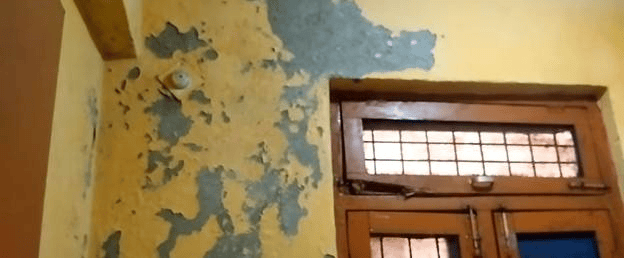
The residents of Jagti Township, a housing colony established nearly two decades ago for Kashmiri migrant families, have raised serious concerns over the deteriorating condition of their residential flats. Built in 2011 to accommodate more than 4,200 migrant families who had earlier lived in temporary camps, the township was envisioned as a safe and better settlement. However, residents allege that a lack of maintenance over a decade has left many flats in a deplorable and unsafe state.
Several families have reported severe leakages, crumbling walls, and structural damages that have rendered portions of the housing uninhabitable. In one alarming incident, a family residing on the ground floor was forced to evacuate their flat in the middle of the night fearing collapse, a situation documented in a widely circulated video shared by noted social activist Mr. M.K. Raina and carried by JK9 Media.
Residents have repeatedly appealed to the authorities and political representatives for relief. Despite these appeals, they say no significant action had been taken for years, pushing many into unsafe living conditions.

Responding to the outcry, a team from MILCHAR reached out to Relief Commissioner, Dr. Arvind Karwani, to highlight the urgent needs of the Jagti residents. Dr. Karwani acknowledged the challenges & confirmed that a repair budget of ₹26 crore has now been sanctioned. He assured that all cases requiring immediate intervention will be prioritized, with long-term repairs to be undertaken in a phased manner.
“We are committed to ensuring the safety and well-being of all families in Jagti Township. Immediate repairs will begin without delay, and we will systematically address the structural issues across the colony,” Dr. Karwani stated.

The Relief Commissioner further highlighted that the government has established multiple grievance redressal mechanisms for migrant families. Citizens can register their concerns through the Governor’s Grievance Portal and the Robita Portal, or directly via the department’s published email ID where officials actively monitor and resolve issues. He added that he personally reviews complaints, meets public, heads of camp offices, and holds regular video conferences with officials from both Jammu and Srinagar to ensure concerns are addressed promptly.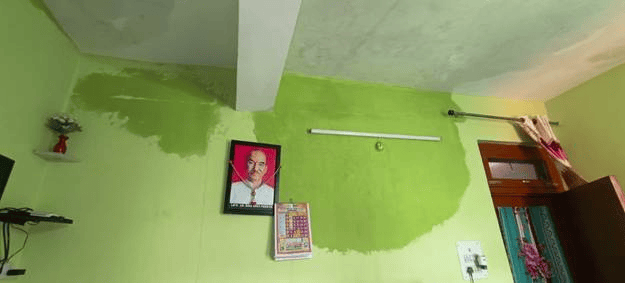
Jagti Township, one of the largest planned settlements for Kashmiri migrants, was built with the vision of providing dignified and safe housing to displaced families after years of hardship in relief camps. Today, the pressing need is for the authorities to focus not just on restoring infrastructure, but also on the larger rehabilitation and dignified resettlement of Kashmiri Pandits, whose living conditions continue to deteriorate with time.
The residents, while relieved by the recent budget sanction, hope that timely execution and accountability will follow, so that the original vision of Jagti Township as a safe and sustainable settlement can be realized.